The Quiet Comfort of Therapeutic Dolls: What Families and Caregivers Need to Know
By Owen Bao | Sueban Group
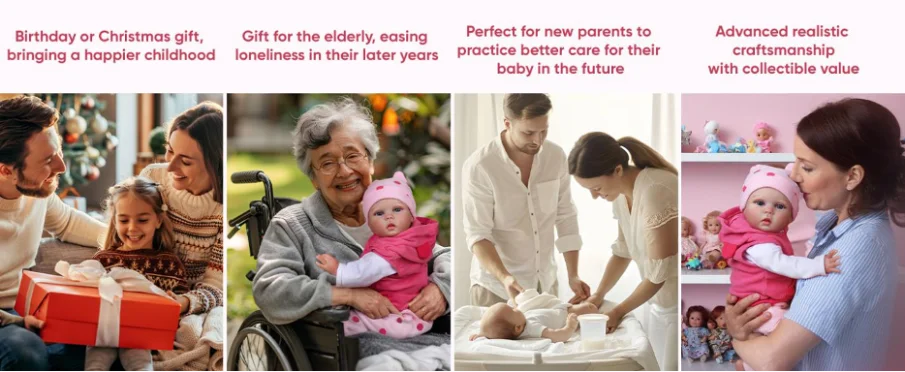
Walk into almost any memory care wing in the United States today, and you might notice something unexpected sitting in the common room: a soft, lifelike baby doll, cradled by a resident who looks genuinely content. It’s not a toy. It’s not a gimmick. For thousands of older adults living with dementia, Alzheimer’s, and age-related loneliness, therapeutic dolls have quietly become one of the most effective non-pharmacological tools in caregiving.
If you’re a family caregiver or older adult thinking about aging in place, here’s what the research shows — and what to look for if you’re considering one.

Why Do Therapeutic Dolls Work?
The idea behind doll therapy is rooted in attachment theory. As dementia progresses, many individuals regress to earlier emotional states. The instinct to nurture — to hold, protect and care for something — remains strong even when other cognitive functions have declined. A lifelike doll can tap directly into that instinct.
A 2022 randomized controlled trial published in the Journal of Clinical Medicine found that doll therapy significantly reduced challenging behaviors among women with dementia living in nursing homes. Participants showed lower levels of agitation, wandering, and anxiety compared to the control group — without additional medication.
A systematic review published in ScienceDirect in 2023 confirmed these findings across multiple studies, noting that doll therapy reduced behavioral and psychological disturbances in older nursing home residents with dementia. The review highlighted that empathy dolls combined with caregiver coordination produced the strongest results.

What the Research Says About Benefits
Studies consistently identify several practical benefits for older adults who engage with therapeutic dolls:
- Reduced agitation and restlessness — particularly useful during sundowning hours when behavioral symptoms tend to peak
- Lower anxiety levels — the physical act of holding a weighted doll provides sensory grounding
- Improved social engagement — dolls often serve as a bridge for conversation between residents and staff
- Greater sense of purpose — caring for something, even symbolically, restores a feeling of usefulness
- Reduced caregiver burden — when a resident is calm and engaged, care routines become significantly easier
What to Look for in a Therapeutic Doll
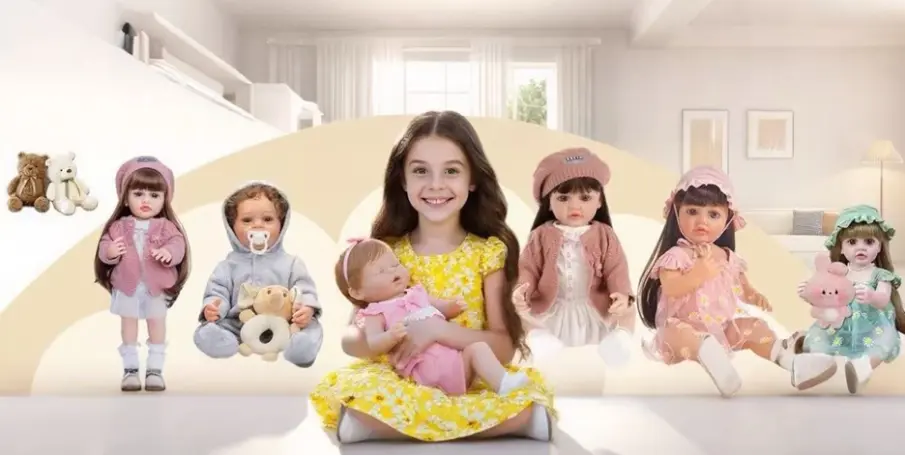
Not every doll works for therapeutic purposes. The quality of the doll matters enormously — a poorly made doll with a strong plastic smell, rigid limbs, or an unsettling expression can cause distress rather than comfort. Here’s what caregivers should look for:
- Soft, realistic material: Platinum silicone or soft vinyl feels closest to real skin. Avoid hard plastic, which feels cold and unnatural.
- Appropriate weight: A doll that weighs between 1.5 and 2.5 pounds replicates the feel of holding a real infant. This weight is key to the grounding, calming effect.
- Calm facial expression: Neutral or gently smiling expressions work best. Avoid dolls with wide-open or overly intense eyes, which can be overstimulating.
- No small parts or magnets: Residents with pacemakers should not use dolls with magnetic pacifiers. Look for fully sealed designs with no detachable accessories.
- Washable materials: In care settings, hygiene is essential. Full-vinyl bodies can be wiped clean. Cloth-body dolls require more careful maintenance.
- Safety certified: Look for dolls tested to CE, CPC, or ASTM F963 standards, which confirm the materials are non-toxic and safe for prolonged physical contact.

Caregivers sourcing dolls for professional or home use can browse Sueban Group’s certified range at their therapeutic reborn dolls wholesale catalog.
How to Introduce a Therapeutic Doll at Home
One of the most common mistakes caregivers make is handing the doll directly to their loved one and waiting for a reaction. That approach often backfires. A gentler introduction works much better.
Place the doll casually in a chair or on a sofa in a shared space. Let the person discover it on their own terms. This “organic” encounter — where the older adult feels like they’ve “found” the baby and chosen to engage — tends to create a much stronger and more willing bond than a direct handover.
Once engaged, follow the person’s lead. Some residents will hold the doll for hours. Others prefer shorter interactions. Avoid correcting them if they speak to the doll as though it were real — within the context of their experience, the emotional connection is genuine and valuable.
Watch for signs of over-attachment, particularly if the person begins refusing meals or other care because they don’t want to put the “baby” down. In those cases, a caregiver can gently offer to “babysit” while the person eats or rests.

A Word on Dignity
Doll therapy does have its critics. Some argue that giving a doll to an older adult is undignified or infantilizing. It’s a concern worth taking seriously. The answer, most researchers agree, lies in how the doll is introduced and framed. When a family member or caregiver treats the experience with respect — and follows the older adult’s own cues rather than imposing the doll — the outcome tends to be positive.
If the person with dementia finds comfort, engagement, and a sense of purpose in holding a doll, that experience is inherently dignified. Comfort is never trivial.
The Bottom Line
Therapeutic dolls are not a cure, and they are not the right fit for every person. But for many older adults — particularly those living with dementia, Alzheimer’s, or significant loneliness — a well-made, safe, and thoughtfully introduced doll can meaningfully improve daily quality of life. As a caregiver or family member helping someone age in place, it’s one of the simpler, lower-cost tools worth knowing about.
The research continues to grow. And the evidence so far points clearly in one direction: for the right person, a therapeutic doll can make a real difference.
Nursing homes, memory care brands, and Amazon sellers looking to source therapeutic dolls can explore Sueban Group’s B2B solutions.
About the Author
Owen Bao is a B2B specialist at Sueban Group, a manufacturer of CE and CPC certified therapeutic reborn dolls supplying nursing homes, memory care brands, and Amazon sellers worldwide. Learn more at www.suebangroup.com | Wholesale inquiries: therapeutic reborn dolls wholesale
More to Read:





Previous Posts: